Combined transport is a key element of sustainable logistics. In Germany, it replaces around six million lorry journeys each year, thereby making a significant contribution to reducing road congestion and cutting CO₂ emissions. However, this system is coming under increasing pressure. Declining reliability due to delays and train cancellations, extensive line closures resulting from the comprehensive refurbishment of the rail network, a lack of efficient alternative routes, as well as rising track access charges and other costs are placing an ever-greater burden on rail transport companies, combined transport operators and freight forwarders.
The consequences are serious: freight is increasingly being shifted from rail back onto the roads – often permanently. A shift of just 30 per cent would mean over a million additional lorry journeys per year, accompanied by significant environmental and economic disadvantages. For industry, trade and logistics, nothing less than the stability of European supply chains is at stake.
To raise awareness and highlight solutions, the ‘Save Combined Transport’ initiative was launched. It calls on politicians, business and society to safeguard the climate-friendly road-rail alternative – before a functioning system suffers irreparable damage.
The initiative was launched in autumn 2025 with an open letter to the Federal Minister of Transport and the management of Deutsche Bahn. It is coordinated primarily by Hupac, TX Logistik and Kombiverkehr. More than 40 intermodal and logistics companies, terminals, industry associations, as well as rail transport companies and infrastructure operators now form a strong alliance with a common, visible voice and stand behind the initiative’s demands.
To draw attention to the current concerns and challenges facing the intermodal logistics sector and to discuss the initiative’s demands, a round-table discussion was held in Berlin in March 2026 with prominent politicians from the Transport and Budget Committees, association representatives and logistics experts. In individual meetings with MPs from various parties, the issues were subsequently explored in greater depth and solutions sought to stabilise the system.
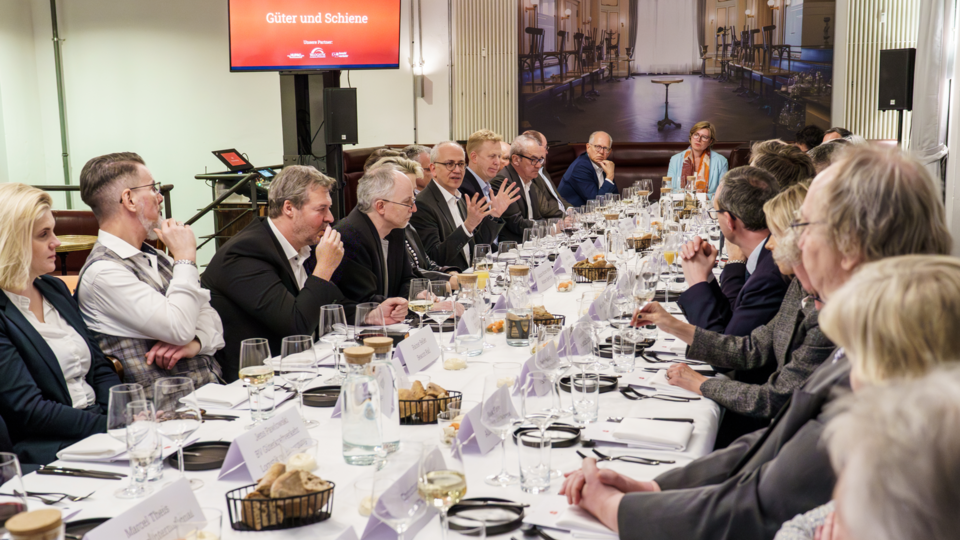
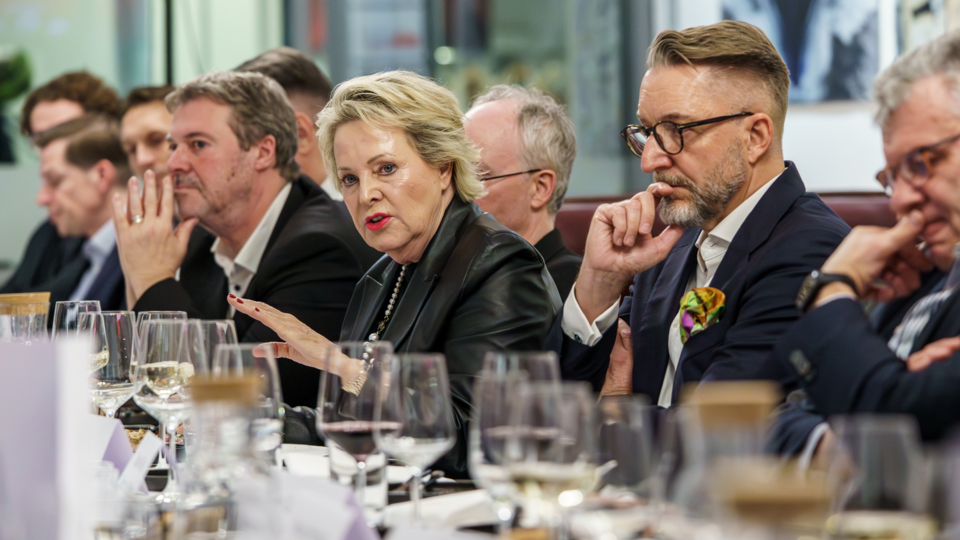
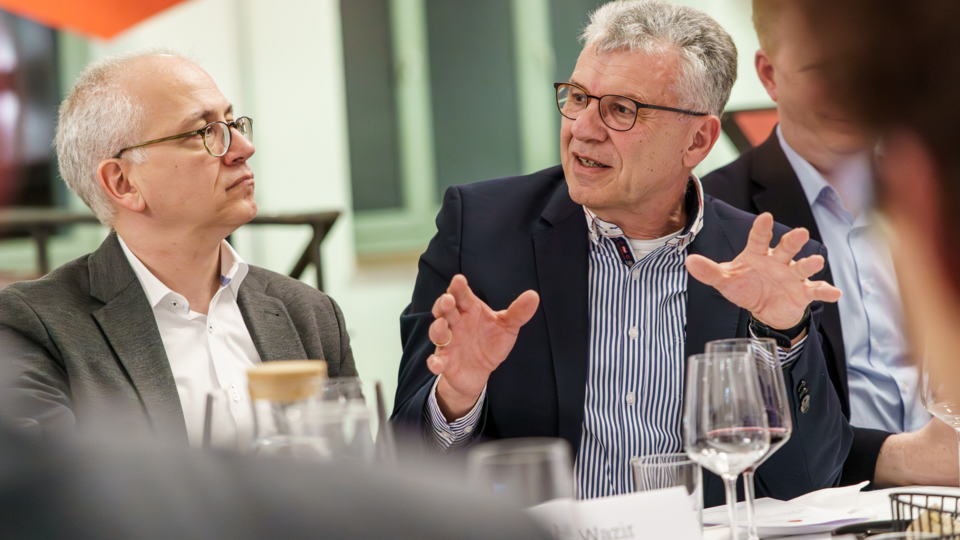
Photo credit ©Dirk Enters